 Auto
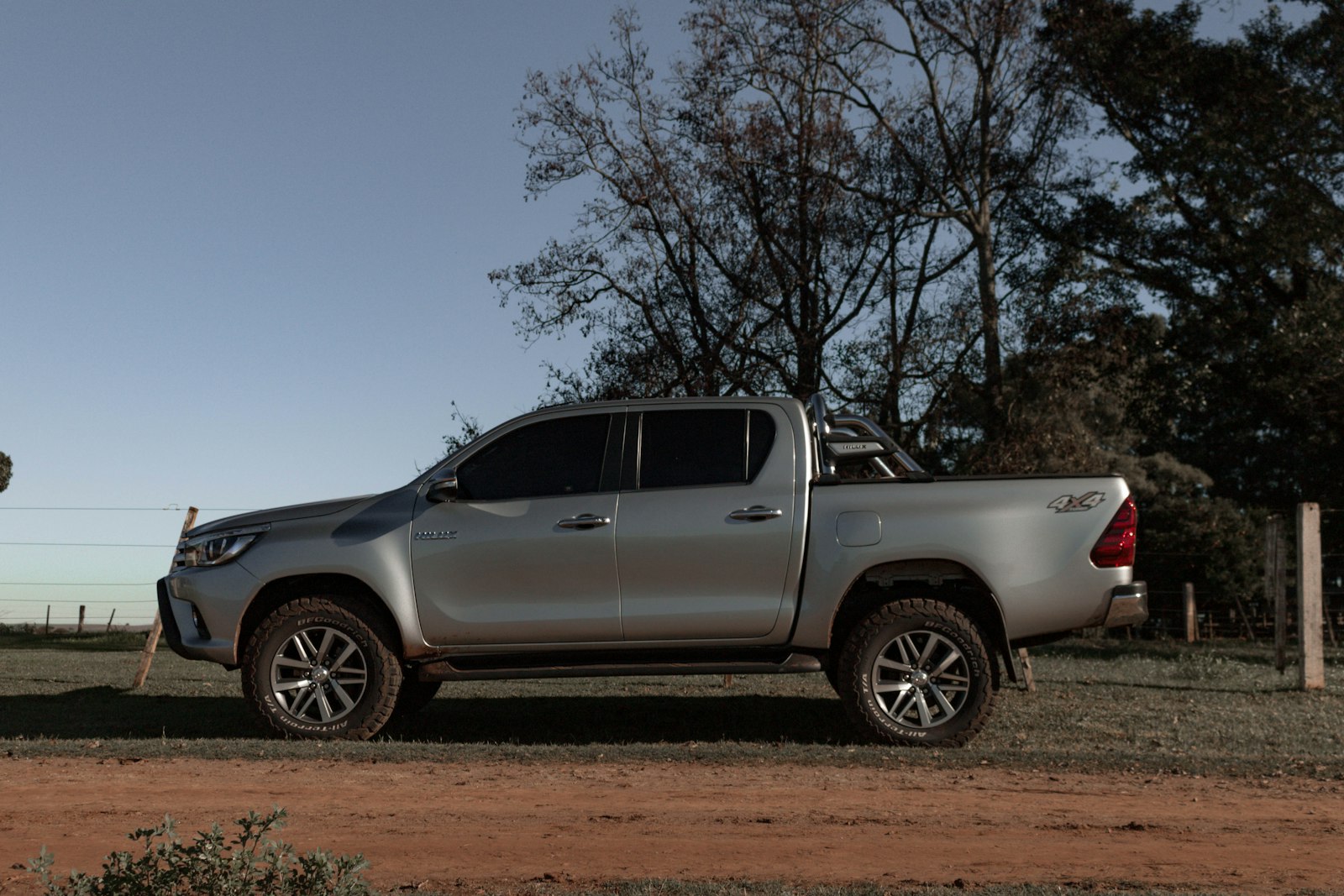
The Toyota Hilux and the Isuzu D-Max are Kenya’s two most trusted pickups, and either is a sound buy if the individual truck has been looked after. The Hilux usually costs more and resells for more, with a slightly more refined double cab. The D-Max is often better value for money, is assembled locally and is backed by a wide dealer network. The bigger decision is usually not the brand but the history: most used pickups in Kenya were company, NGO or farm vehicles, and how hard they worked matters more than the badge.
Where used pickups in Kenya come from
Unlike most passenger cars, these pickups are rarely Japanese imports. The Hilux was not sold new in Japan for many years and the D-Max is not a Japanese market model. Most used examples in Kenya were sold new here, through Toyota’s distributor CFAO Mobility Kenya (formerly Toyota Kenya) or Isuzu East Africa, and spent their first years in a fleet.
That is good news and bad news. Fleet trucks are often serviced on schedule at the dealer. They also often cover high mileage, carry heavy loads and are driven by many different people. Ask for the fleet service record and look closely at wear.
Head to head
| Feature | Toyota Hilux (2015 on) | Isuzu D-Max (current generation) |
|---|---|---|
| Common diesel engines | 2.4 and 2.8 litre | 1.9 litre or 3.0 litre turbo diesel, depending on version |
| Cab types | Single, extra and double cab | Single, extra and double cab |
| Drive | 2WD or part time 4WD | 2WD or part time 4WD |
| Local assembly | Assembled in Kenya by CFAO Mobility Kenya, Toyota’s distributor | Assembled in Kenya by Isuzu East Africa |
| Resale value | Very strong | Strong |
| Typical used price | Higher | Lower for a similar age and spec |
Engine choices and trim names change with each model update, so confirm the exact engine and drive type on the vehicle and its record.
Work, load and towing
Both are built for work. Single cabs offer the longest load bed and suit farms, hardware stores and builders. Double cabs trade bed length for a rear seat and are the choice for families, field teams and anyone using the truck as a daily car too. Check the rated payload for the exact version on the door sticker or the manual rather than relying on a general figure.
Comfort for daily driving
If the pickup will double as the family car, drive both. Newer Hilux double cabs feel more car like inside in higher grades, while D-Max double cabs are comfortable and often come well equipped for the money. Both ride firmly when the bed is empty because their rear springs are built for heavy loads. That is normal, not a fault.
Parts and service
Parts for both are easy to find across Kenya, from Mombasa to Eldoret. Toyota has the edge in sheer volume of used parts. Isuzu benefits from local assembly and a strong dealer and service network. A good independent diesel mechanic can look after either.
The checks that matter on a used pickup
- Chassis: look for cracks, welding and bends behind the cab and around spring hangers. Overloading shows here.
- Leaf springs and shocks: sagging at the rear points to heavy use.
- Load bed: deep dents and a rusted floor suggest hard work, not always a problem, but price accordingly.
- Clutch and gearbox: many work pickups are manual. Check for a high biting point and slipping in a high gear. See our automatic or manual guide.
- Four wheel drive: engage high and low range and listen for clunks.
- Diesel engine: hard starting, blue or heavy black smoke and oil leaks need checking.
- Fleet records: ask for the dealer service printout.
Which should you buy?
- You want the strongest resale and a slightly more polished double cab: Hilux.
- You want more truck for your budget with local backing: D-Max.
- Farm or site work, mostly loads: either single cab in sound mechanical condition.
- You will keep it for many years: the one with the best documented history, whatever the badge.
See current Toyota Hilux stock at our Mombasa yards. Every vehicle comes with a written condition declaration, and you can bring your own mechanic to inspect any pickup before paying.