 Auto
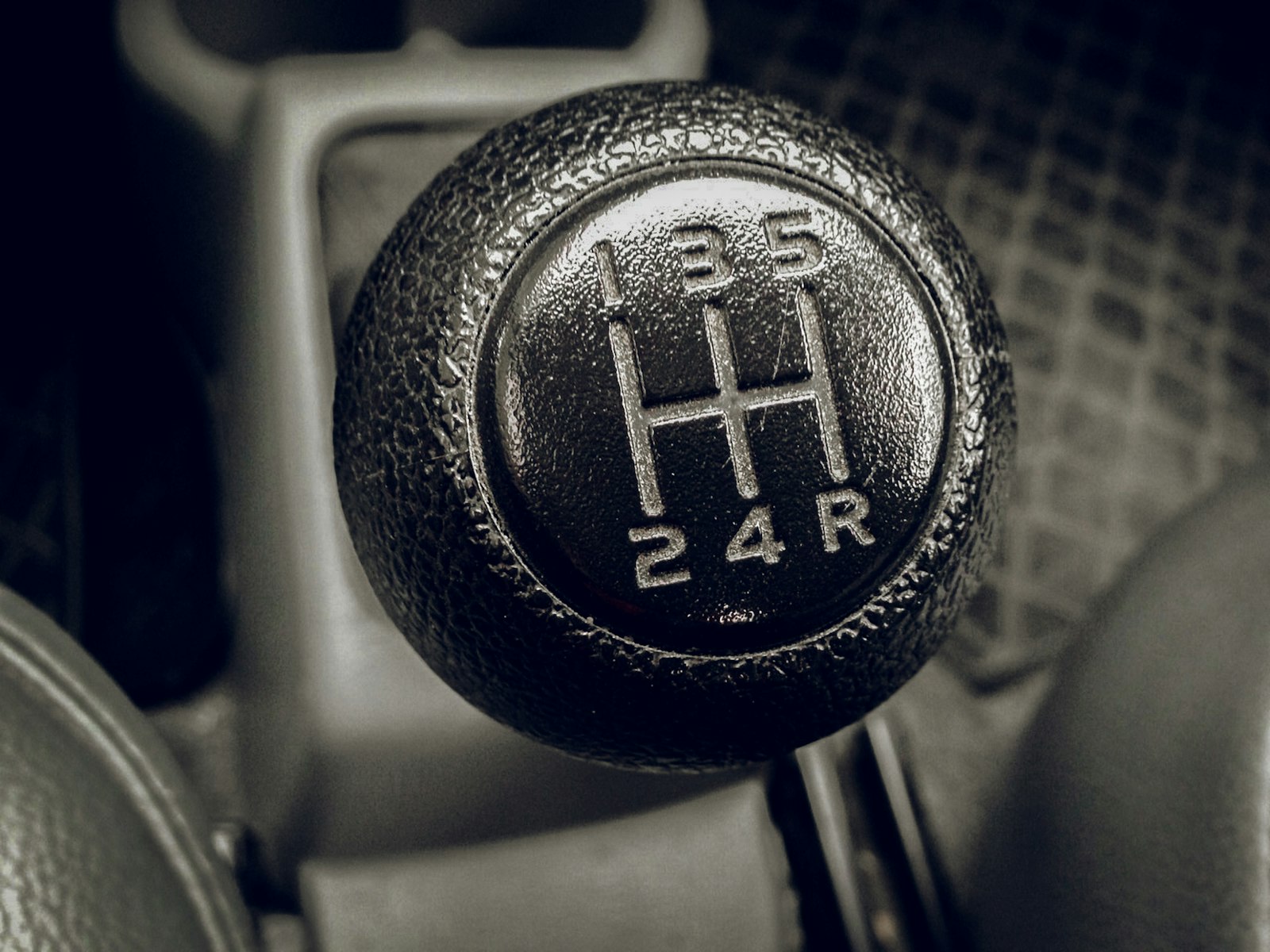
For most first time buyers in Kenya, an automatic is the practical choice. Nearly all Japanese imports in the popular price bands come with automatic or CVT gearboxes, city traffic in Nairobi and Mombasa is easier without a clutch, and resale buyers prefer them. A manual still makes sense for some drivers, mainly those buying a pickup, a work van or an older car for rough upcountry roads. Here is how to decide.
The choice is often made for you
Japan is the main source of used cars in Kenya, and Japanese buyers overwhelmingly choose automatics. That means most fresh import hatchbacks, saloons and small SUVs arrive with an automatic or a CVT (a continuously variable transmission, which has no fixed gears). If you want a manual Toyota Vitz or Fielder, you will have far fewer cars to choose from.
Manuals are more common in work vehicles such as the Toyota Probox (mostly automatic in recent imports, but older ones vary), the Hilux and commercial vans. If your shortlist is mostly passenger cars, you are in automatic territory already.
Driving in Kenyan conditions
Traffic
Stop and go traffic on Mombasa Road, Thika Road or the Nyali Bridge approach is tiring in a manual. Your left leg works the clutch hundreds of times per trip and the clutch itself wears faster. An automatic simply creeps forward.
Hills and loads
A manual gives you direct control on steep murram roads, when towing or with a full load, and you can hold a low gear on long descents. Modern automatics also let you select a low gear, so the gap is smaller than it used to be. Learn to use the L, 2 or S positions on your gear selector rather than riding the brakes downhill.
Floods and rough roads
Neither type likes water entering the gearbox. Both should be driven slowly through standing water, and any car that has been submerged needs its gearbox oil checked.
Running and repair costs
| Item | Automatic or CVT | Manual |
|---|---|---|
| Routine gearbox service | Fluid change needed; CVTs need the correct CVT fluid | Gear oil change, usually cheaper |
| Common wear item | Fluid, solenoids, torque converter, CVT belt | Clutch plate, pressure plate and release bearing |
| Cost of a major failure | Usually higher; often a replacement used gearbox | Usually lower |
| Effect of bad driving | Less clutch abuse possible | A new driver can wear a clutch quickly |
| Resale demand | Strong for passenger cars | Strong for work vehicles |
A manual is cheaper to repair when something big goes wrong, but a first time driver can burn a clutch in months by slipping it in traffic. An automatic that has had its fluid changed on time is generally reliable. If you are buying a car with a CVT, read our guide to CVT gearboxes in Kenya before you test drive.
Fuel use
Older automatics with fewer gears used more fuel than manuals. That is much less true now. Many CVT and modern automatic cars match or beat the manual version in official figures, and hybrids such as the Toyota Aqua come only as automatics. Your driving style will matter more than the gearbox.
Your driving licence
Check what class and type of vehicle your licence covers and whether it carries any restriction from your test. If you trained and tested on an automatic, confirm with your driving school or NTSA what that allows before buying a manual. The rules on licence categories are set by NTSA and can change, so verify rather than assume.
How to test drive each type
Automatic
- Start from cold and shift through P, R, N and D. Each change should engage within a second or two without a loud clunk.
- Accelerate gently, then firmly. Shifts should be smooth, with no slipping (engine revs rising without the car speeding up).
- Check the fluid if the dipstick is accessible. It should not be dark brown or smell burnt.
Manual
- Find the clutch biting point. If it is right at the top of the pedal travel, the clutch may be worn.
- In third gear at low speed, press the accelerator hard. If revs rise but speed does not, the clutch is slipping.
- Listen for grinding when changing gear and whining in any gear.
So which should you buy?
Choose an automatic if you drive mainly in town, want the widest choice of Japanese imports or plan to resell in a few years. Choose a manual if you are buying a work vehicle, drive heavy loads on rough roads, or have found a manual in clearly better condition than the automatics in your budget.
Whichever you choose, ask the seller for the date of the last gearbox fluid or clutch service. At AutoYard we include what we know about the gearbox in each car’s written condition declaration, so you can compare cars honestly.