 Auto
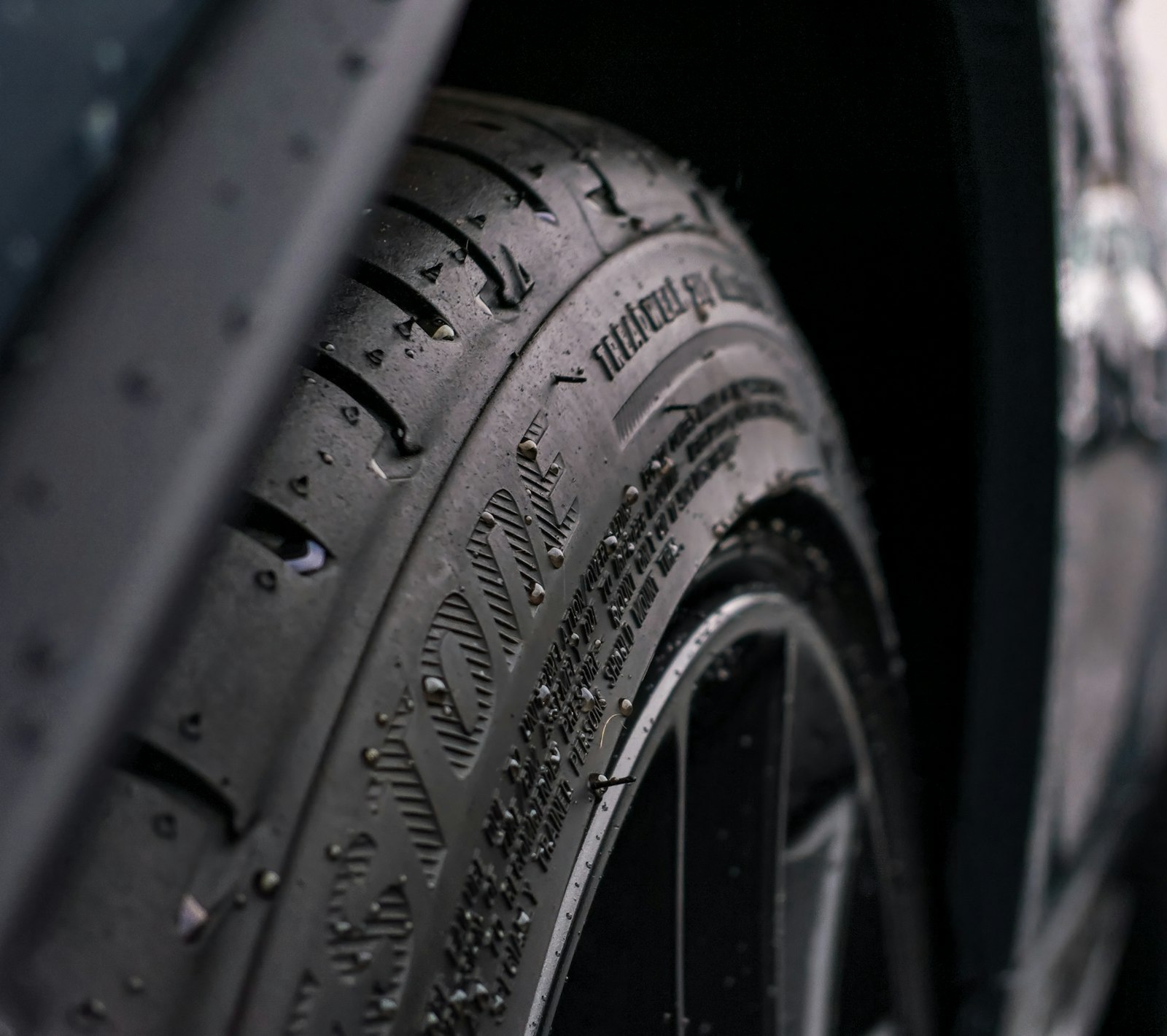
Every tyre carries a small four-digit code that tells you exactly when it was made. On a used car, that code matters as much as the tread. A tyre can have plenty of tread left and still be old, hardened and more likely to fail, especially in hot conditions like the coast. Here is how to read it, and how to decide when tyres need replacing.
How to read the date code
Look on the sidewall for a string of letters and numbers starting with DOT. At the end of it is a four-digit number, often inside a small oval. The first two digits are the week of manufacture and the last two are the year.
- 2319 means the tyre was made in the 23rd week of 2019, around early June.
- 0822 means the 8th week of 2022, in late February.
The full code may only be printed on one side of the tyre, so if you cannot see it, check the inner sidewall too. Do this for all four tyres and the spare, because tyres on the same car are often different ages.
Why age matters, not just tread
Rubber hardens and develops fine cracks as it ages, even when the car is parked. Heat and sunlight speed this up. An older tyre grips less well, especially in the wet, and is more likely to suffer a sudden failure at speed. Many tyre makers advise having tyres inspected regularly once they are around five years old and replacing them no later than ten years after manufacture, whatever the tread looks like. In hot climates and on cars that sit for long periods, many owners replace earlier.
This is particularly relevant to imported used cars, which can spend weeks at auction yards, on ships and in bonded yards. A car that has done little driving can still be wearing tyres that are several years old.
How to check tread depth
Tyres have small raised bars, called tread wear indicators, moulded into the bottom of the main grooves. They sit at 1.6 mm. When the tread wears down level with these bars, the tyre is at the end of its life. For safe braking on wet roads, many drivers replace tyres well before that point, around 3 mm.
A simple tread depth gauge costs little and gives you an accurate reading. Check across the width of each tyre, not just in the middle.
What uneven wear tells you
- Worn on both outer edges: the tyre has been run under-inflated.
- Worn in the centre: over-inflation.
- Worn on one edge only: wheel alignment is out, or suspension parts are worn. Common on Kenyan roads after potholes and speed bumps.
- Patchy or scalloped wear: worn shock absorbers or a balance problem.
On a used car, uneven wear is a clue that something else needs attention. New tyres on a car with bad alignment will wear out just as quickly.
Other damage to look for
- Bulges or bubbles on the sidewall, usually from hitting a pothole. Replace the tyre.
- Deep cuts or exposed cords.
- Cracks in the sidewall or between the tread blocks, a sign of age.
- Mismatched tyres on the same axle. Tyres on an axle should match in size, type and ideally brand.
Tyre checks when buying a used car
- Read the date code on all five tyres, including the spare.
- Measure the tread depth across each tyre.
- Look for uneven wear and ask about alignment if you see it.
- Check the sidewalls for bulges and cracks.
- Confirm the size matches what the car is meant to use, which is shown on a sticker in the driver’s door frame or in the owner’s manual.
If the tyres are old or worn, factor a new set into your offer. It is one of the most common first-month costs for a used car buyer.
Look after the tyres you have
- Check pressures at least monthly, with the tyres cold, using the figures on the door frame sticker.
- Rotate tyres at your regular service so they wear evenly.
- Have the alignment checked after a hard pothole hit or if the car starts to pull.
Every car from AutoYard’s Mombasa yards comes with a written condition declaration, and we tell you the age and condition of the tyres before you buy. Browse used cars for sale in Kenya or ask us about a specific car.