 Auto
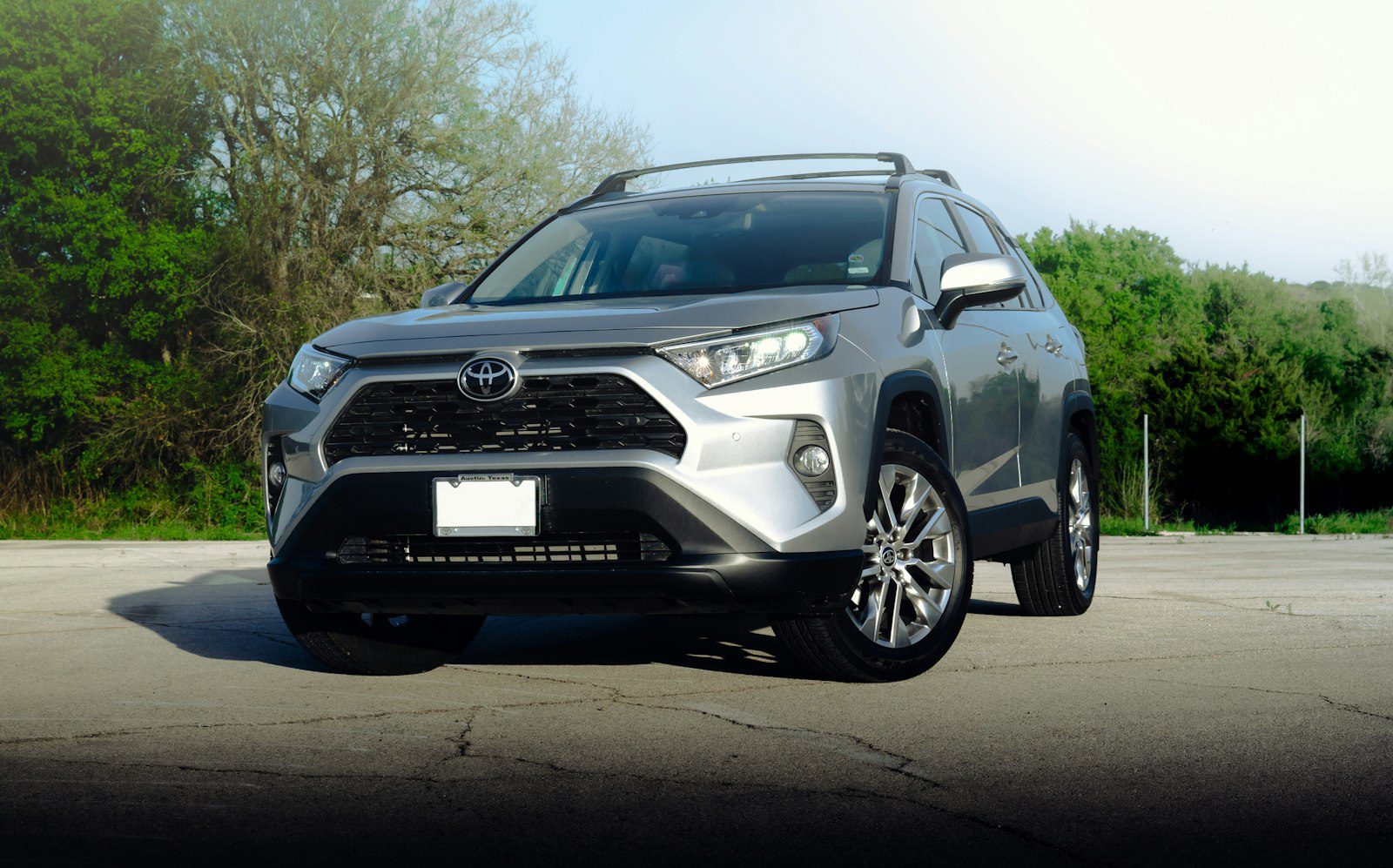
The current Toyota Harrier and Toyota RAV4 are built on the same platform and use the same 2.0 litre petrol and 2.5 litre hybrid powertrains. So the choice is not about reliability or running costs, which are very close. The Harrier is the more stylish, more luxurious and slightly longer car with a lower roof. The RAV4 is the more practical, tougher looking SUV with a taller cabin. Choose the Harrier for comfort and image; choose the RAV4 for space, practicality and a lower price.
How closely related are they?
The fourth generation Harrier went on sale in Japan in June 2020 on Toyota’s TNGA GA-K platform, the same base as the fifth generation RAV4 that returned to Japan in 2019. Both are offered with a 2.0 litre Dynamic Force petrol engine with a CVT, or a 2.5 litre hybrid, in two wheel or all wheel drive.
The Harrier is longer, at about 4.74 metres against the RAV4’s 4.6 metres, but shares the same wheelbase and width. It is also lower, which gives it its sleek profile and costs some headroom and boot height.
The previous Harrier (sold from 2013 to 2020) is also common in Kenya. It came with a 2.0 litre petrol, a 2.0 litre turbo and a 2.5 litre hybrid. Under Kenya’s 2026 import rule, fresh imports must be first registered from 2019, so you may find late examples of the previous Harrier as well as the current one.
Head to head (current generations)
| Feature | Toyota Harrier (2020 on) | Toyota RAV4 (2019 on) |
|---|---|---|
| Platform | TNGA GA-K | TNGA GA-K |
| Engines | 2.0 petrol, 2.5 hybrid | 2.0 petrol, 2.5 hybrid |
| Length | About 4.74 m | About 4.6 m |
| Roof line | Lower, coupe like | Taller, upright |
| Cabin feel | Upmarket, quiet | Practical, hard wearing |
| Typical price | Higher | Lower |
Space and practicality
The RAV4’s upright shape gives better rear headroom and a squarer boot that is easier to load with tall boxes. The Harrier’s sloping rear trades some of that for looks. Both have good rear legroom thanks to the shared wheelbase. If you regularly carry tall items or adults in the back on long trips, the RAV4 is the easier car to live with.
Comfort and image
The Harrier is aimed at buyers who want a more refined car. Higher grades have richer materials, more equipment and a quieter cabin. It is a popular choice for executives and buyers stepping up from a saloon. The RAV4 is well equipped but feels more functional.
Engines and running costs
Because the powertrains are shared, fuel use, servicing and parts are similar. The hybrid saves the most fuel in town traffic; the 2.0 petrol is simpler and cheaper to buy. Before buying either hybrid, follow our used hybrid battery checks. For petrol versions with a CVT, see our CVT guide.
Rough roads
Neither is an off roader. Both cope with estate roads and murram, and all wheel drive versions help on wet surfaces. If you face regular rough tracks, look at a body on frame vehicle such as a Prado or Fortuner; see our Prado vs Fortuner comparison.
Resale
Both hold their value well in Kenya. The RAV4 has a very wide pool of buyers, which keeps it easy to sell. The Harrier has a strong following among buyers who want a premium feel, so clean, well documented examples sell well too.
Which should you buy?
- Harrier if you want a refined, stylish SUV for family or executive use and rarely carry tall loads.
- RAV4 if you want the most practical SUV for the money, more headroom and boot height, and the widest resale market.
Compare current stock of the Toyota Harrier and Toyota RAV4 at our Mombasa yards. Every car comes with a written condition declaration.