 Auto
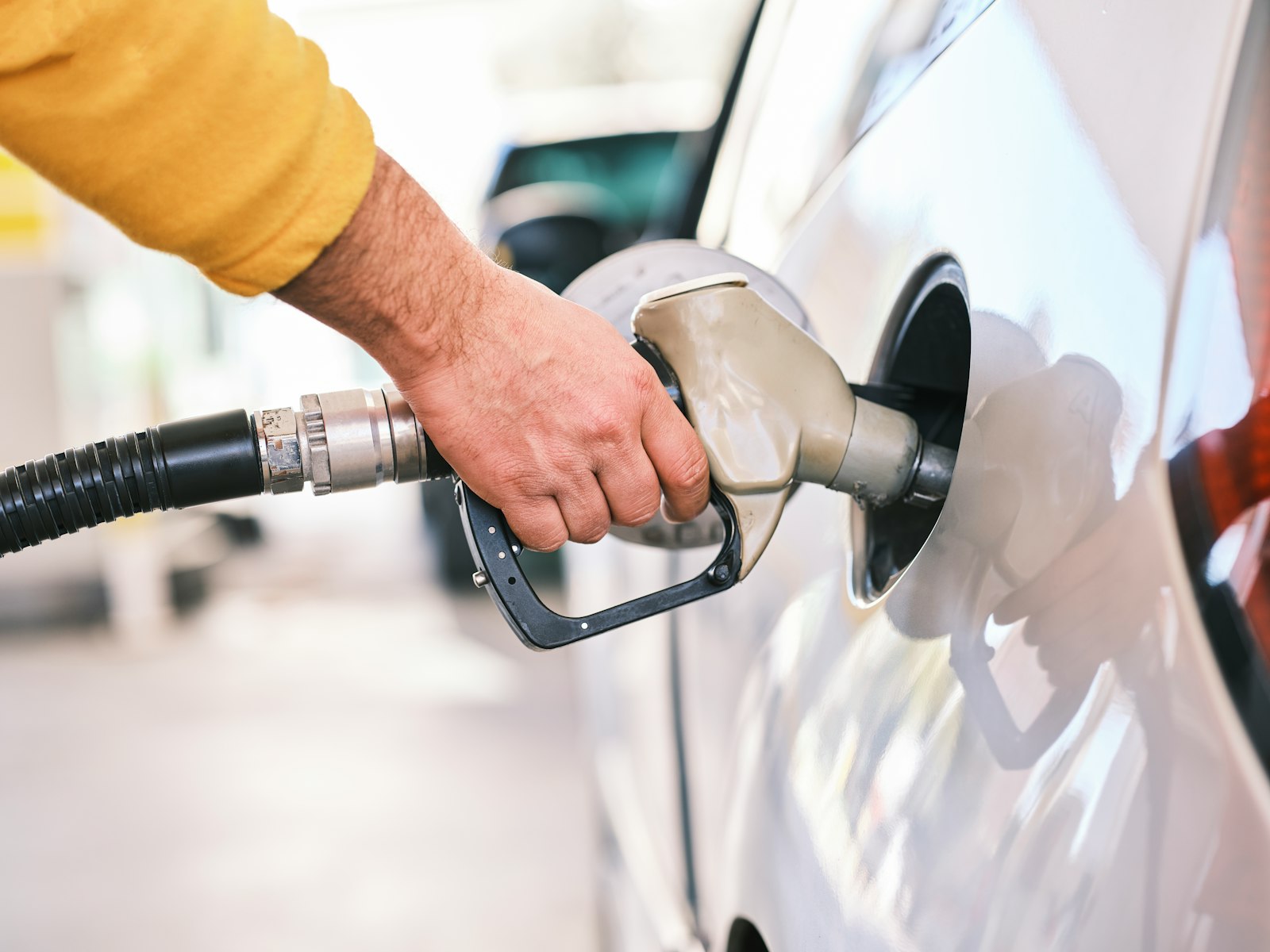
Most affordability advice starts with the car price. Start with fuel instead. The price is paid once; fuel is paid every week for as long as you own the car, and it is the cost that most often breaks a first-time owner’s budget. Work out what running a car will cost you each month, and the right car price follows.
The rule of thumb
A widely used guideline is to keep your total monthly car cost at or below 15 to 20 percent of your take-home pay. Total means everything: loan instalment, fuel, insurance, servicing, parking and a small fund for tyres and repairs. Fifteen percent is comfortable; twenty percent is the ceiling, and it assumes you have no other large debts.
Step 1: work out your fuel bill first
Fuel cost per month = kilometres per month ÷ the car’s real fuel economy (km per litre) × the pump price.
Kilometres per month: count your daily round trip, multiply by working days, then add weekends and occasional trips. Be honest; people usually underestimate.
Fuel economy: use realistic figures for town driving, not brochure numbers. Small petrol hatchbacks typically do better than larger saloons and SUVs, and hybrids gain most in slow traffic.
Pump price: from 15 November to 14 December 2026, super petrol in Nairobi is capped at KSh 226.96 a litre. Prices are reviewed monthly by EPRA and differ by town, so use your local price.
Step 2: add the other running costs
- Insurance: comprehensive cover is usually charged as a percentage of the car’s value each year, so divide the annual premium by 12. Get real quotes; do not guess.
- Servicing and wear: set aside a monthly amount for oil services, brake pads, tyres and a battery over time. Popular Japanese models with cheap parts keep this low.
- Parking: monthly or daily parking at work and in town.
- Small costs: car wash, a tracking subscription if your insurer requires one, and occasional unexpected bills.
Step 3: what is left is your loan limit
Take 15 to 20 percent of your take-home pay and subtract steps 1 and 2. The remainder is the most you should commit to a monthly loan instalment. If nothing is left, the honest answer is a cheaper car bought for cash, or a few more months of saving for a bigger deposit.
A worked example
These numbers are illustrative. Replace them with your own.
- Take-home pay: KSh 120,000 a month. Twenty percent is KSh 24,000.
- Driving: 30 km round trip on 22 working days is 660 km, plus about 300 km on weekends: roughly 960 km a month.
- Car A, a small petrol hatchback doing about 15 km per litre in town: 64 litres a month, about KSh 14,500 in fuel at KSh 226.96.
- Car B, a larger SUV doing about 9 km per litre in town: 107 litres a month, about KSh 24,200 in fuel.
Car B uses the whole 20 percent on fuel alone, before insurance, servicing or a loan. Car A leaves about KSh 9,500 for everything else, which still points to a modest car, a strong cash deposit and a short loan, if any. Same salary, same commute, completely different answer depending on the car.
If you are borrowing
Compare lenders on three numbers: the deposit, the monthly instalment and the total you will repay by the end. A longer term lowers the instalment but raises the total cost, and you may still be paying when the car needs expensive work. Ask whether the rate is flat or reducing balance, what fees apply, and whether the lender requires comprehensive insurance, which most do. You can test different deposits and terms in our car loan calculator.
Do not forget the first month
On top of the monthly budget, keep cash for the logbook transfer, the first insurance payment, a full baseline service and possibly tyres or a battery. Setting aside 10 to 15 percent of the car price covers most of this.
Cars that are cheap to run, not just cheap to buy
Two cars at the same price can cost very different amounts to keep. For a first car, small petrol models and hybrids with cheap, widely available parts usually give the best balance: the Toyota Vitz, Mazda Demio, Nissan Note, Honda Fit and Toyota Aqua are good places to start.
Once you have your number, compare cars under 1 million or cars under 500k at our Mombasa yards. Every car comes with a written condition declaration, so you can budget for any known repairs before you commit.