 Auto
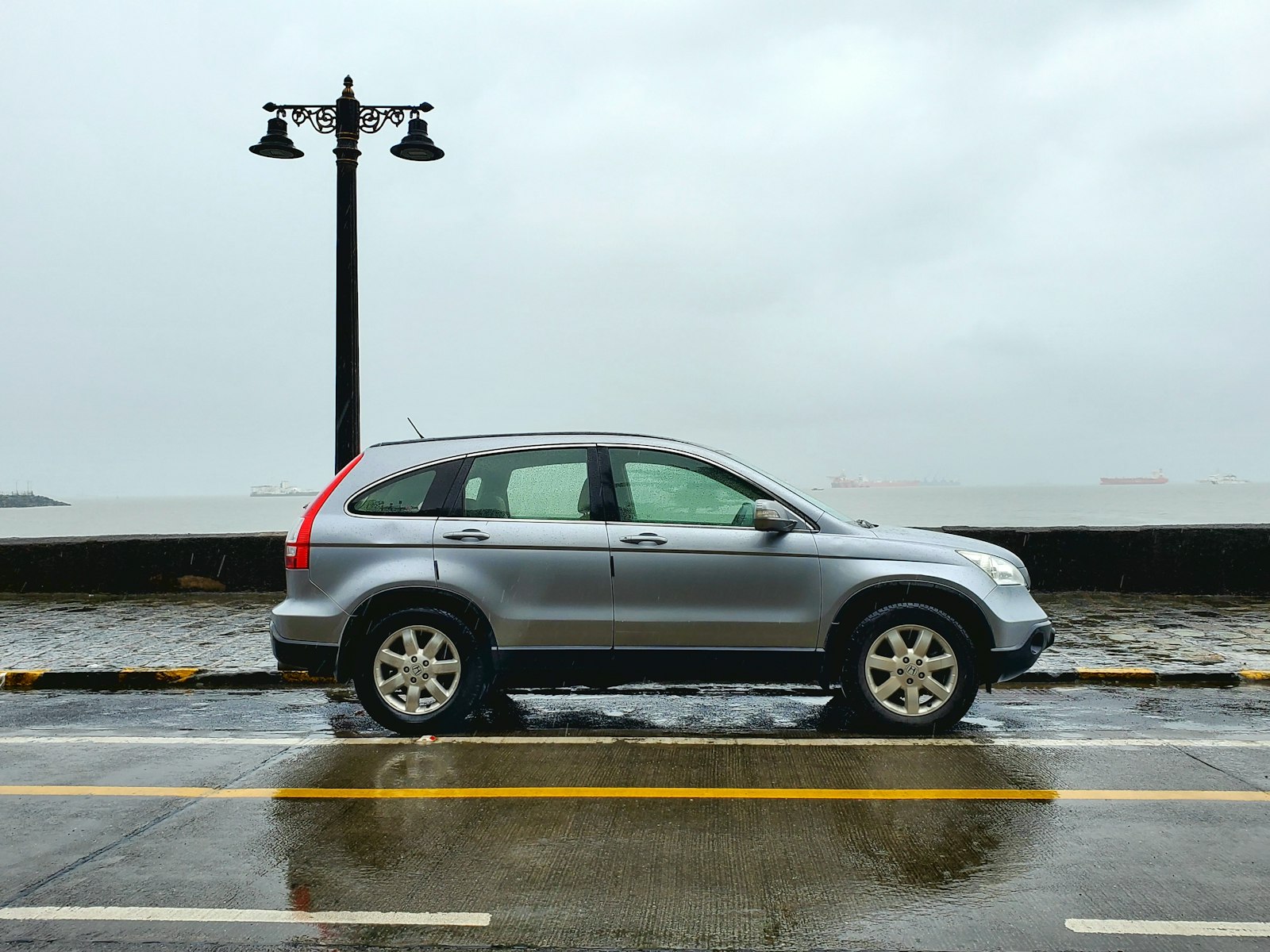
The Honda Vezel is built on the same platform as the Honda Fit and uses many of the same engines and hybrid systems. So the extra money for a Vezel buys you three things: more ground clearance, a bigger and more comfortable cabin, and SUV styling. If your roads are smooth and the car is mostly for town, the Fit gives you most of the Vezel’s practicality for less. If you face potholes, speed bumps or murram, or carry adults in the back often, the Vezel is worth the extra.
The family connection
Honda designed the Vezel (called the HR-V in many other markets) on the Fit’s platform. Both share Honda’s clever layout that puts the fuel tank under the front seats. That frees up space for the “Magic Seats”: the rear seat cushions flip up to leave a tall floor to ceiling space behind the front seats, and the backrests fold flat for long items. Few rivals in either size can match this.
Generations you will see in Kenya
Under the 2026 import rule, fresh imports must have been first registered on or after 1 January 2019. That points you to:
- Fit: late examples of the third generation (sold until 2020) and the fourth generation launched in 2020.
- Vezel: late examples of the first generation (sold until 2021) and the second generation launched in 2021.
Locally used cars of older years are also common. Check the year of first registration on the paperwork rather than the year someone tells you.
Head to head
| Feature | Honda Fit | Honda Vezel |
|---|---|---|
| Body | Small hatchback | Small SUV / crossover |
| Ground clearance | Car height | Higher; better for bumps and murram |
| Rear seat space | Good for its size | More legroom and shoulder room |
| Boot | Small but deep, with Magic Seats | Larger, with Magic Seats |
| Petrol engines | 1.3 and 1.5 litre | 1.5 litre |
| Hybrid | Yes (system depends on generation) | Yes (system depends on generation) |
| 4WD option | Some versions | Some versions |
| Typical price | Lower | Higher |
The hybrid gearbox question
This matters more than the body style. The earlier hybrid versions of both cars (the third generation Fit and first generation Vezel) use Honda’s i-DCD system with a seven speed dual clutch gearbox. It is efficient but can feel jerky at low speed in traffic, and early cars had software updates and recalls for gearbox behaviour. A test drive in slow traffic will show you whether a particular car feels smooth.
The newer generations use Honda’s e:HEV system, where an electric motor does most of the driving and the petrol engine mostly generates power. It is noticeably smoother in town. If you can stretch to a newer hybrid, that is a real improvement in daily driving.
Before buying any hybrid, follow our used hybrid battery checks. Non hybrid versions mostly use a CVT; see our CVT guide.
Running costs
Because they share engines and many parts, service costs are similar. The Fit is lighter and generally uses a little less fuel than a Vezel with the same engine. Tyres for the Vezel are larger and can cost more. Insurance is usually linked to the car’s value, so a Vezel typically costs more to insure.
Who should buy which
- Town commuter, smooth roads, tight budget: Fit.
- First car for a new driver: Fit, for its lower price and easy parking.
- Small family or regular adult rear passengers: Vezel.
- Bumpy estate roads, speed bumps or murram: Vezel, for clearance.
- Hybrid in stop go traffic: the newest hybrid generation of either you can afford.
What to check on either
- Fold and lift the Magic Seats to check the mechanisms work.
- On hybrids, watch for jerks in slow traffic and run a diagnostic scan.
- Look under the Fit’s front bumper and sills for scrapes, which show a low car has been driven on rough roads.
Browse the Honda Fit and Honda Vezel at our Mombasa yards, or compare the Vezel with its rivals in our Vezel vs C-HR vs CX-3 guide. Every car comes with a written condition declaration.