 Auto
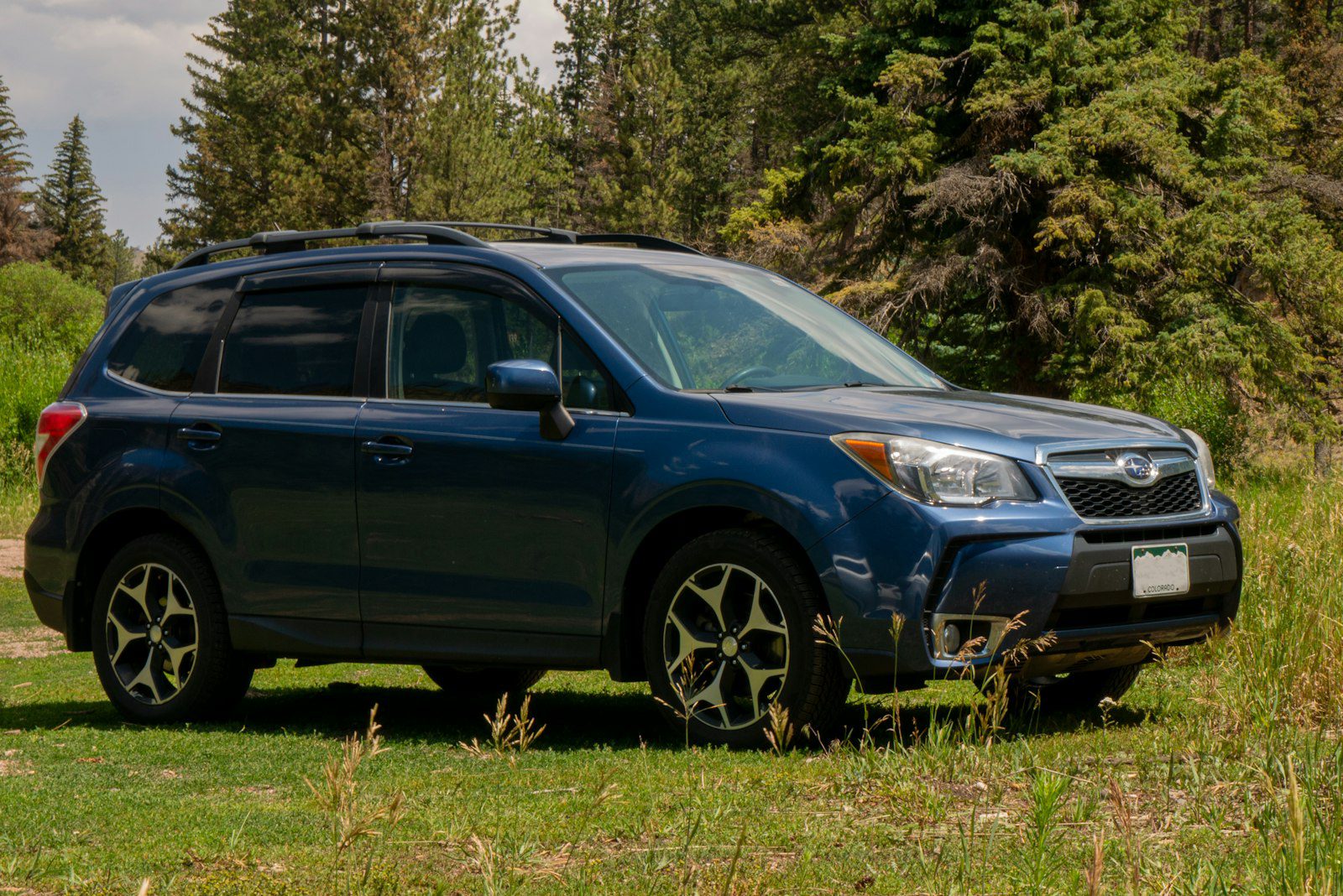
The Subaru XV and Subaru Forester share Subaru’s strengths: all wheel drive on every model, a boxer engine and plenty of ground clearance for a car of their size. The difference is size and power. The XV is a compact crossover, essentially a raised Impreza, that suits singles, couples and small families. The Forester is a size bigger, with more rear space, a larger boot, a more upright cabin and stronger engines. If you carry family and luggage regularly, buy the Forester. If you want Subaru traction in a smaller, cheaper package, the XV makes sense.
Which generations you will find
- Subaru XV: the second generation, launched in 2017, is the one to look at for recent imports. It came with 1.6 and 2.0 litre petrol engines and, from 2018 in Japan, a 2.0 litre e-Boxer mild hybrid. In Japan it was later replaced by the Crosstrek.
- Subaru Forester: the current generation launched in Japan in 2018 with a 2.5 litre petrol and a 2.0 litre e-Boxer hybrid, and a 1.8 litre turbo from 2020.
Under Kenya’s 2026 import rule, fresh imports must be first registered from 2019 onwards. Older XVs and Foresters, including the previous Forester with its 2.0 litre turbo XT, are common locally used.
Head to head
| Feature | Subaru XV (2017 generation) | Subaru Forester (2018 generation) |
|---|---|---|
| Size | Compact crossover | Mid size SUV |
| Engines | 1.6 and 2.0 petrol, 2.0 e-Boxer | 2.5 petrol, 2.0 e-Boxer, 1.8 turbo |
| All wheel drive | Standard | Standard |
| Ground clearance | Around 200 to 220 mm depending on version | Around 220 mm in most versions |
| Rear space and boot | Adequate | Generous |
| Typical price | Lower | Higher |
Clearance figures vary by version and market, so treat them as a guide and check the specific car.
On Kenyan roads
Both use Subaru’s symmetrical all wheel drive and, on most recent versions, X-Mode, which helps on loose and slippery surfaces and on steep descents. With clearance close to that of much larger SUVs, both handle murram, speed bumps and rutted estate roads better than most cars their size. Neither is a body on frame 4×4, so for serious rough tracks and heavy towing, a Prado or Fortuner is the better tool.
The Forester’s taller body and big windows give a better view of the road, which helps when picking a line around potholes.
Engines and performance
The XV’s 1.6 litre engine is economical but feels slow with passengers on long climbs. The 2.0 litre is the better choice for highway trips. The Forester’s 2.5 litre has noticeably more pulling power for a loaded car. The e-Boxer in either car adds a small electric motor that helps at low speed, but it is a mild hybrid, so do not expect the fuel savings of a full hybrid like a Toyota Aqua. Both use Subaru’s Lineartronic CVT, which needs the correct fluid; see our CVT guide.
Ownership in Kenya
Subaru is well supported in Nairobi, Mombasa and other large towns, with specialist garages that know boxer engines and the all wheel drive system. Outside big towns, specialist knowledge is thinner than for Toyota. Subaru’s all wheel drive prefers all four tyres to match in size and wear, so replace tyres as a set.
Engines in this generation use timing chains, unlike some older Subaru engines that used belts; our timing belt and chain guide explains why that matters.
Which should you buy?
- XV if you are a single driver or couple, want all wheel drive and good clearance in a compact car, and want to spend less.
- Forester if you carry family and luggage, drive long distances with a full car, or want the stronger 2.5 litre engine.
For a Forester against Toyota’s rival, read our Forester vs RAV4 comparison. See current stock of the Subaru XV and Subaru Forester at our Mombasa yards. Every car comes with a written condition declaration.