 Auto
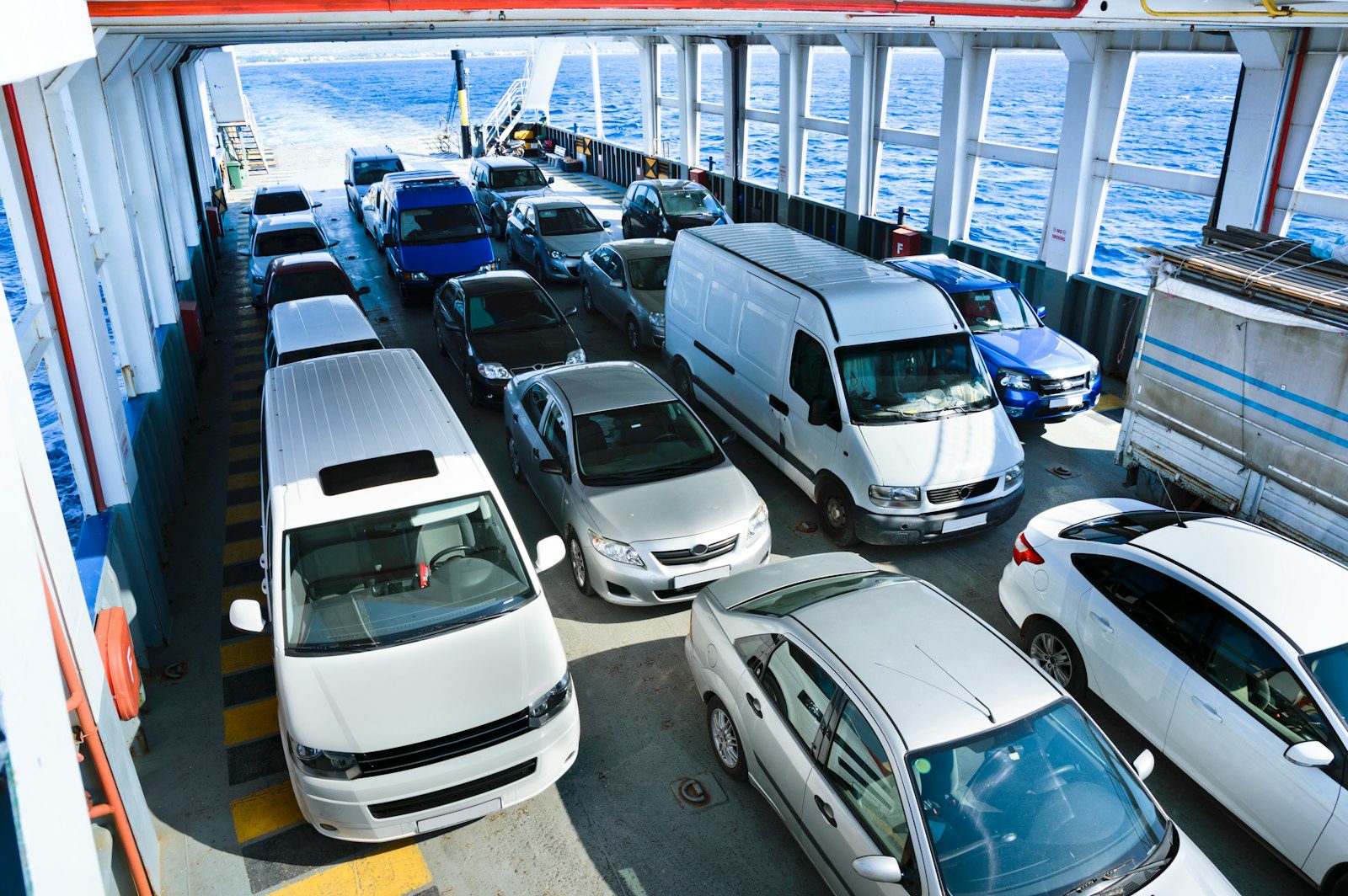
Importing a used car from Japan to Kenya in 2026 means paying five government charges on top of the car and shipping: import duty of 35%, excise duty of 20%, 25% or 35% depending on engine size and fuel, VAT of 16%, an Import Declaration Fee of 2.5% and a Railway Development Levy of 2%. Together these often add up to roughly as much as the car’s customs value, sometimes more. Many articles online still quote 25% import duty and a 3.5% IDF; those rates are out of date.
First, the car must qualify
Before any money is spent, check the age. In 2026 a used car can only be imported if it was first registered on or after 1 January 2019, and it must be right hand drive. Read our guide to Kenya’s 8 year import rule for the details. Cars from Japan also need a Certificate of Roadworthiness from the pre-export inspection that KEBS requires before shipping.
How KRA values your car
KRA does not tax the price you paid at auction. It uses its own Current Retail Selling Price (CRSP) list for each make, model and engine, then reduces that value for the car’s age to arrive at a customs value. The taxes are worked out from that customs value. This is why two buyers of the same model pay the same tax even if one got a bargain at auction, and why a newer car costs much more in tax than an older one.
You can look up the CRSP value and an estimate of the taxes on KRA’s published list or a duty calculator built on it. Use the exact model and engine code, because small differences in grade change the figure.
The five charges at 2026 rates
| Charge | Rate | Worked out on |
|---|---|---|
| Import duty | 35% (fully electric: 25%) | Customs value |
| Excise duty | 20% up to 1,500cc; 25% for petrol or hybrid 1,501 to 3,000cc and diesel 1,501 to 2,500cc; 35% above those sizes; 10% fully electric | Customs value plus import duty |
| VAT | 16% | Customs value plus import duty plus excise |
| Import Declaration Fee | 2.5% | Customs value |
| Railway Development Levy | 2% | Customs value |
Hybrids are taxed at the same excise rate as petrol cars of the same engine size.
A worked example
This is for illustration only. Suppose KRA’s customs value for a 1,500cc petrol car is KSh 1,000,000.
- Import duty at 35%: KSh 350,000
- Excise at 20% of KSh 1,350,000: KSh 270,000
- VAT at 16% of KSh 1,620,000: KSh 259,200
- IDF at 2.5%: KSh 25,000
- RDL at 2%: KSh 20,000
Total government charges: KSh 924,200, close to the car’s whole customs value. Move the same car to a 1,800cc petrol engine and excise rises to 25%, adding about KSh 67,500 to excise alone, plus the VAT on that extra excise.
The costs people forget
- Freight and marine insurance from Japan to Mombasa, usually quoted by the exporter.
- Pre-export inspection fee for the Certificate of Roadworthiness.
- Port charges from the Kenya Ports Authority. Only a limited number of free days apply before storage charges start, so delays cost money.
- Clearing agent fees for handling customs entry and release.
- NTSA registration and number plates once the car is cleared.
- Transport from Mombasa to your town if you are not collecting at the port.
- First month costs such as a baseline service, tyres or a battery after weeks of standing.
Ask your exporter and clearing agent for written quotes for every item before you commit.
Direct import or buy from a dealer?
Importing yourself lets you choose the exact car, but you carry every risk: an auction sheet that hides damage, a document problem at inspection, port delays, or a car that arrives after the age cut off changes on 1 January. Buying a car that is already cleared means the taxes are paid, the documents are checked and you can see the car before you pay.
At AutoYard our yards are minutes from Mombasa port. Every car comes with a written condition declaration, and for imports we show you the clearance documents before you pay. Browse foreign used cars or compare total costs with our guide to fresh import or locally used.
Rates checked against KRA’s current motor vehicle valuation rates in November 2026. Tax rates can change in each Finance Act, so confirm with KRA or your clearing agent before you import.