 Auto
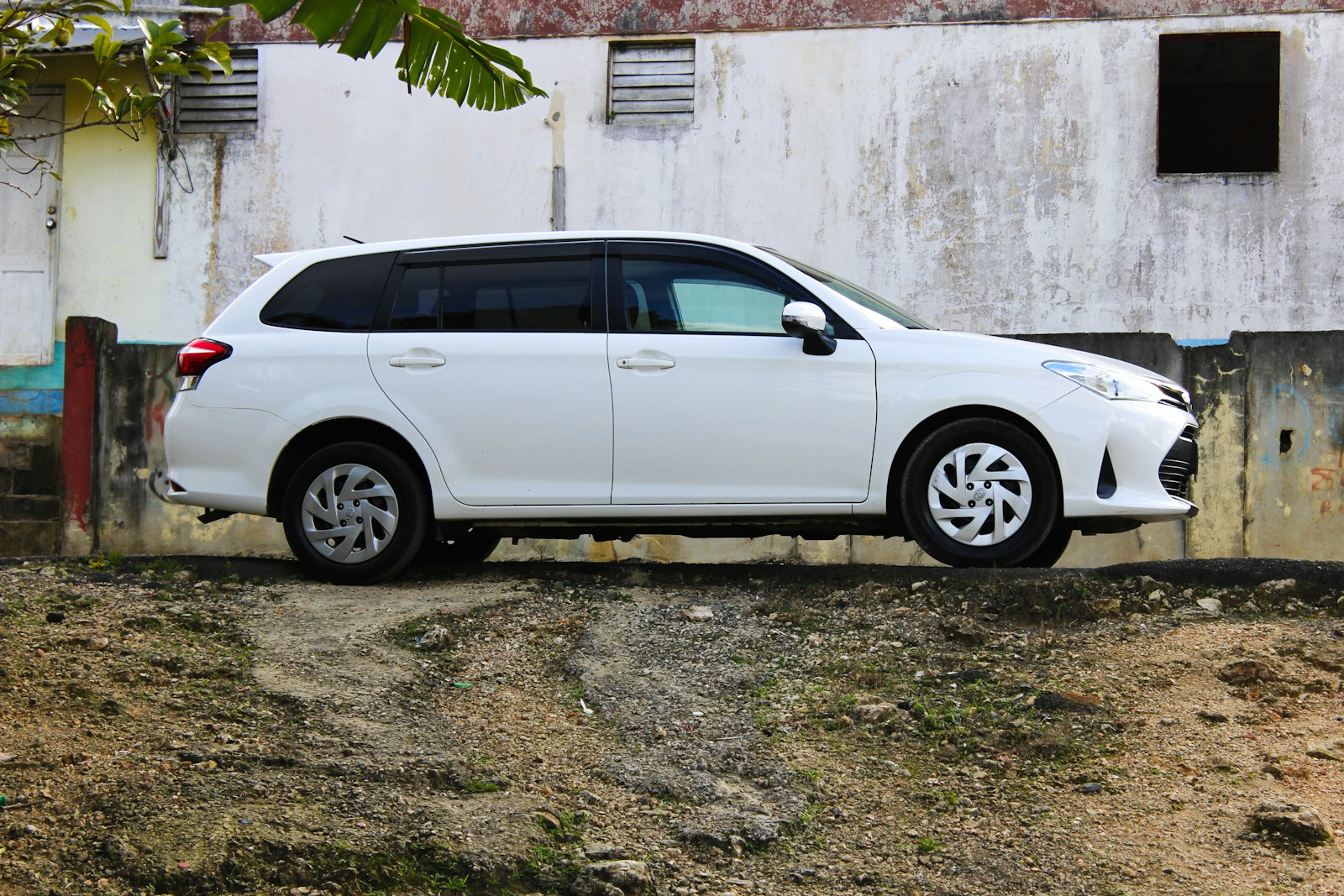
The Toyota Fielder and Toyota Axio are close to the same car under the skin. In the generation most Kenyans buy (the E160, sold from 2012), they share the platform, most engines, the hybrid system and many parts. The real difference is the back half: the Fielder is a station wagon with an open load area, and the Axio is a saloon with a sealed boot. Choose the Fielder if you carry bulky things or run a small business. Choose the Axio if you want a slightly more formal car with a locked, out of sight boot.
What they share
- Platform and suspension: both are built on the same Corolla based underpinnings, so ride and handling feel similar.
- Engines: the common 1.5 litre petrol engine and the 1.5 litre hybrid system appear in both. Some Fielder grades also came with a 1.8 litre petrol engine.
- Gearbox: most Kenyan imports are automatic or CVT. Read our guide to CVT gearboxes in Kenya before buying either.
- Parts and mechanics: both are among the easiest cars in Kenya to service. Parts are everywhere, from Kirinyaga Road to Mombasa’s Kongowea area.
- 4WD: both were offered with four wheel drive in Japan, which can be useful for murram roads.
Where they differ
| Feature | Toyota Fielder | Toyota Axio |
|---|---|---|
| Body | Station wagon | Saloon |
| Load space | Long, tall area; rear seats fold almost flat | Separate boot; smaller opening |
| Security of luggage | Visible through the windows unless covered | Locked boot, out of sight |
| Rear headroom | Generally a little more | Slightly lower roof line at the back |
| Common uses | Families, small businesses, upcountry trips | Commuters, office use, ride hailing |
| Engine choices seen in Kenya | 1.5 petrol, 1.5 hybrid, some 1.8 petrol | 1.5 petrol, 1.5 hybrid |
Who should buy the Fielder
The Fielder makes sense when the car has to carry more than people. With the rear seats folded, it swallows mattresses, crates of produce, school trunks and market stock. Families driving between Mombasa and upcountry with luggage, and small traders who need a car that doubles as a light delivery vehicle, get more from the wagon body.
It is also the easier car for anyone carrying a pram or a wheelchair, because the tailgate opening is large and the floor is flat.
Who should buy the Axio
The Axio suits buyers who mostly carry people and a few bags. The sealed boot keeps shopping, laptops and luggage out of sight, which matters when you park in town. Many buyers also prefer how a saloon looks for office and client visits. It is a popular choice for ride hailing for the same reasons.
Ride, comfort and fuel
Because they share mechanicals, ride comfort and fuel use are close when you compare the same engine. A hybrid version of either will use noticeably less fuel in town traffic than the petrol version. The Fielder can feel slightly less quiet at the back on rough roads, because the load area is open to the cabin.
Resale
Both hold their value well in Kenya because demand is steady and parts are cheap. The Fielder is especially popular with small business owners and families, and the Axio with commuters and ride hailing drivers. Condition, mileage and service history will affect your resale price far more than the body style.
What to check on either
- Ride hailing or taxi history: high mileage in a few years, worn driver’s seat and heavy rear suspension wear.
- For hybrids: a diagnostic scan of the hybrid battery. See our used hybrid checks.
- For the Fielder: the condition of the load floor and tailgate struts, which show how hard it has worked.
- For the Axio: water in the boot well, which can point to a leaking seal or past accident repair.
Our take
There is no better car here, only a better body for your needs. If you hesitate, think about the biggest thing you will carry in a typical month. If it will not fit in a saloon boot, buy the Fielder.
Browse the Toyota Fielder and Toyota Axio on AutoYard, or compare them with their sibling in our Axio vs Premio vs Allion guide. Every car on our Mombasa yards comes with a written condition declaration.