 Auto
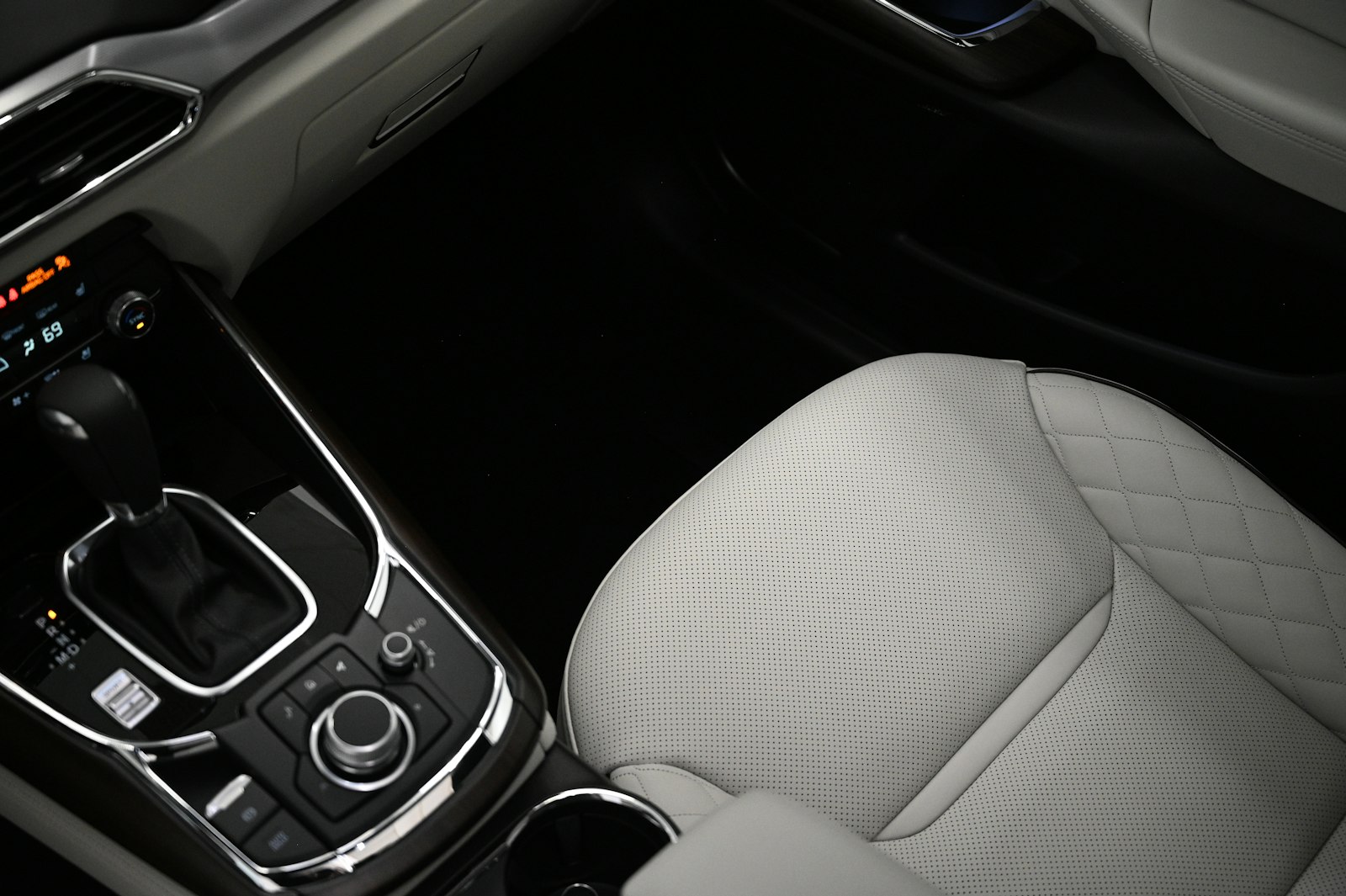
If you buy a Japanese car in Kenya, there is a good chance it has a CVT, a continuously variable transmission. Many Toyota, Nissan, Honda, Subaru and Suzuki models use one. A well-kept CVT is smooth, quiet and economical. A neglected one can be expensive. Knowing how it works, how to test it and what it needs will help you buy a good one and keep it healthy.
What a CVT is
A conventional automatic gearbox has a set number of gears, such as six, and you feel it change from one to the next. A CVT has no fixed gears. Inside, a steel belt or chain runs between two pulleys that change their width smoothly, so the ratio can vary continuously. The result is seamless acceleration with no gear changes, and the engine can stay at its most efficient speed, which saves fuel.
The trade-off is that a CVT relies heavily on its fluid and on electronic control, and it is less tolerant of heavy loads, overheating and the wrong fluid than many conventional automatics.
Which popular cars use a CVT?
CVTs are common in small and mid-size Japanese cars sold in Kenya, including many versions of the Toyota Vitz, Axio, Fielder, Premio, Allion and the petrol RAV4, the Nissan Note, Tiida, Sylphy and X-Trail, the Honda Fit and Vezel petrol models, and most Subaru models with the Lineartronic gearbox. Many hybrids, such as the Toyota Aqua and Prius, use a different system often called an e-CVT, which works with electric motors and is generally very durable.
Not every car in these ranges uses a CVT; some versions and years use conventional automatics, and Mazda’s Skyactiv cars use six-speed conventional automatics. Check the specific car.
How to test a CVT before you buy
- Start from cold. Problems often show before the gearbox warms up.
- Pull away gently, then firmly. It should move off smoothly, without a shudder, clunk or delay.
- Listen. A steady whine or droning that rises with speed can point to worn internal parts.
- Watch the revs. Under acceleration, the revs should rise and the car should pick up speed together. Revs that flare without the car accelerating suggest slipping.
- Try a hill. Climb a slope with the car loaded if you can. Hesitation or a loss of power is a warning sign.
- Scan for codes. A diagnostic scan can show stored transmission faults, and some tools can read fluid temperature and condition data.
If anything feels wrong, get a specialist opinion before buying. CVT repairs often mean replacing the whole unit.
The fluid is everything
CVTs need their own specific fluid, made for that maker’s gearbox. Using ordinary automatic transmission fluid, or the wrong CVT fluid, can cause slipping, shuddering and early failure. When you service the car, ask the garage which fluid they are using and check it matches the specification in the owner’s manual.
Many owners’ manuals describe CVT fluid as long-life, but under severe conditions, which include heat, dust, stop-start traffic and heavy loads, a fluid change at regular intervals is widely recommended. On a used car with an unknown history, ask your garage to check the fluid’s condition at the first service and advise on a change. Some CVTs also have a filter that should be changed with the fluid.
Driving habits that help a CVT last
- Avoid hard launches. Flooring the accelerator from a standstill puts the most strain on the belt and pulleys.
- Do not tow beyond the limit. Check the towing limit in the manual; many small CVT cars are not meant for heavy towing.
- Do not overload. Constant heavy loads on long climbs raise fluid temperature.
- Stop fully before changing between Drive and Reverse.
- Do not rock the car out of mud aggressively. Repeated spinning and sudden grip can damage the gearbox. Get help or use traction aids instead.
- Act on warning lights. If a transmission warning light comes on, stop and get it checked rather than driving on.
Should you avoid a CVT?
No. Millions of CVT cars run reliably for many years, and in town traffic their smoothness and economy are real advantages. The key is buying one that has been looked after and then giving it the right fluid and sensible driving. If you regularly tow, carry very heavy loads or drive steep, rough roads, a car with a conventional automatic or a manual may suit you better.
Every car at AutoYard’s Mombasa yards comes with a written condition declaration, and we tell you the gearbox type and what we know of its service before you buy. Browse used cars for sale in Kenya or ask us about a specific car.